Finding Your Place in Ghost Production
It’s not just about making beats. It’s about finding your own lane. The key is to stop trying to be everything to everyone and start focusing on what makes you, well, you.
Identifying Your Unique Production Niche
Think about it: the EDM scene is huge. You've got everything from deep house to hardstyle, trance to techno. Trying to master all of it is a recipe for burnout. Instead, ask yourself: what kind of music do you genuinely love making? What sounds come most naturally to you? Maybe you've got a knack for crafting those super-catchy synth melodies that get stuck in your head, or perhaps you're a wizard with basslines that make people move. Pinpointing this is your first step.
Here’s a quick way to think about it:
• Genre Focus: Are you drawn to the energetic drops of Big Room, the groovy rhythms of Tech House, or the atmospheric pads of Progressive Trance?
• Sound Design: Do you have a signature way of processing sounds, creating unique textures, or using specific effects?
• Emotional Tone: Do your tracks tend to be uplifting and euphoric, dark and intense, or chill and introspective?
Don't be afraid to experiment, but once you find something that clicks, lean into it. Study the artists who are killing it in that specific area. What are they doing? What makes their tracks stand out? This isn't about copying; it's about understanding the landscape so you can carve out your own spot.
Staying Ahead of Industry Trends
Music moves fast. What's hot today might be old news next month. To really make it as a ghost producer, you can't just rely on what you already know. You've got to keep your ears to the ground.
• Listen Widely: Pay attention to what's charting, what DJs are playing, and what's getting buzz on music blogs and forums.
• Analyze New Releases: When a track blows up, try to figure out why. What elements are new? What production techniques are being used?
• Experiment with New Tools: Software and hardware are always evolving. Try out new plugins or techniques that are gaining traction.
It’s a constant learning process. Think of it like this:
You're not just a producer; you're a trend-spotter and an innovator. Your ability to adapt and incorporate fresh sounds while staying true to your core style is what will keep you relevant and in demand.
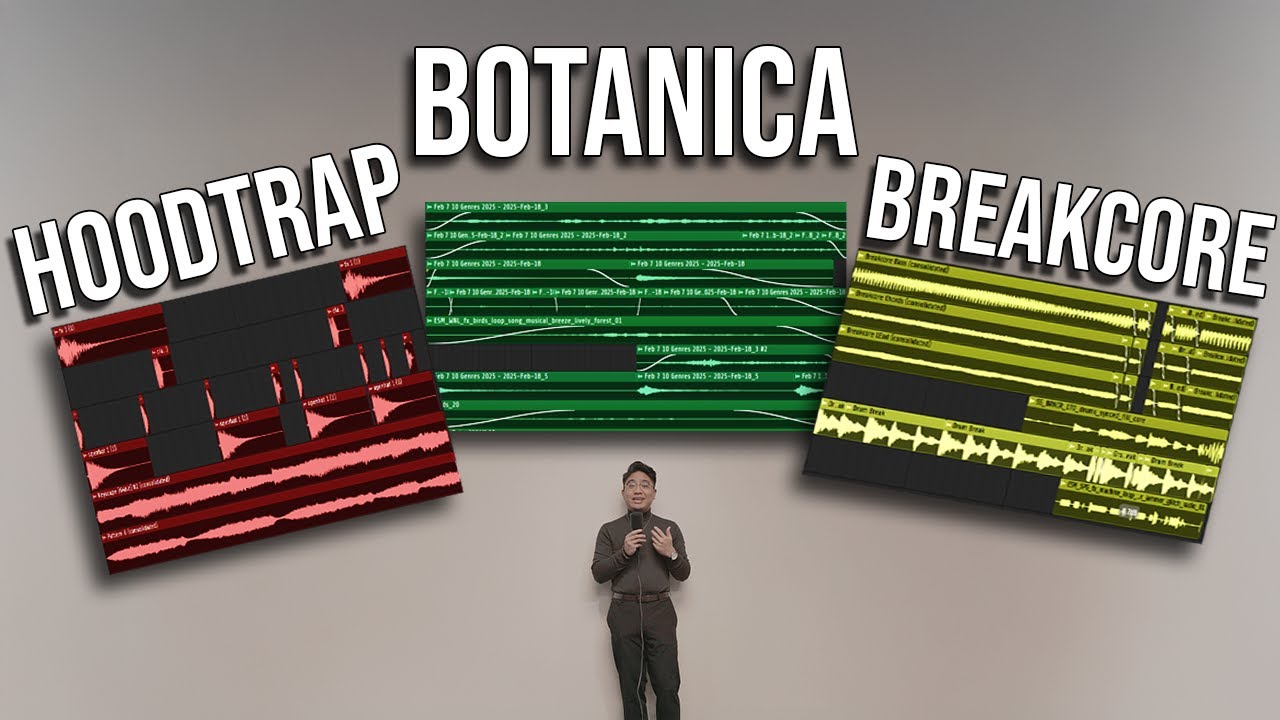
5 Unique Genres You Should Be Making In 2025!

Developing Your Signature Sound
This is where the magic happens. Your signature sound is what makes your productions instantly recognizable, even if your name isn't on the track. It's the unique fingerprint you leave on the music.
• Melody: Do you favor simple, memorable hooks or complex, evolving melodies?
• Rhythm: Are your drum patterns driving and aggressive, or more subtle and syncopated?
• Timbre: What kind of synth sounds, vocal processing, or effects do you consistently use?
Building this takes time and a lot of practice. It’s about refining your taste and developing the technical skills to execute your ideas consistently. Don't rush it. Let it develop organically as you create more music and get feedback. Your signature sound is your competitive edge in the ghost production world.