
How to Build a Successful Music Career
Why Guerrilla Marketing Beats the Traditional Music Industry
Go Direct to the Audience
Diplo is clear about one thing. Relying on traditional gatekeepers like radio, major labels, or editorial playlists is no longer a reliable strategy for emerging artists.
Mainstream systems operate within narrow rules and tend to favor artists who already have momentum. For newcomers, chasing approval inside that system often leads to frustration and stagnation.
Instead, Diplo advocates for going directly to listeners. Release music that genuinely excites you. Share it aggressively. Build momentum where attention actually lives today, online communities, social platforms, live shows, and niche scenes.
This approach is often described as guerrilla marketing. It prioritizes speed, authenticity, and direct connection over polish and permission. Artists who win are the ones who stop waiting to be discovered and start acting like their audience already exists.
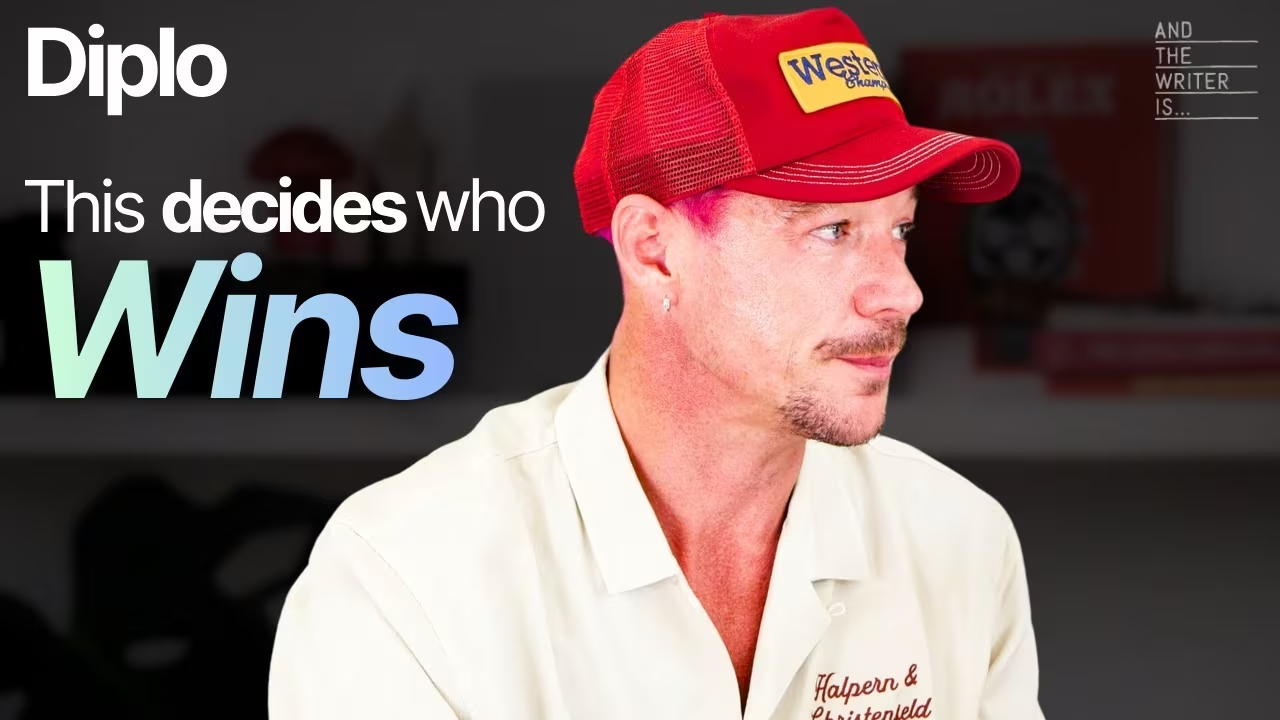
Ep. 234: Diplo | Branding Decides Who Wins

Branding Is the Real Differentiator
Why Talent Alone Is Not Enough
One of Diplo’s most striking points is that the overwhelming majority of music never reaches an audience. Not because it is bad, but because it lacks a vehicle.
That vehicle is branding.
Great songs without identity rarely travel far. Branding gives music context, meaning, and emotional gravity. It answers essential questions for the listener. Who is this artist. Why should I care. What world does this music belong to.
Diplo points to modern pop success stories like Doja Cat as examples of artists who understand that music is only one part of the equation. Visuals, attitude, humor, online presence, and narrative all work together to create a recognizable identity.
In practical terms, branding means consistency. Consistent sound, tone, visuals, messaging, and values. Artists who invest in their brand give their music a chance to survive the noise.
AI in Music Is a Tool, Not a Shortcut
How Technology Fits into Real Creativity
Diplo does not reject AI tools, but he does not romanticize them either. He uses AI for experimentation, stem manipulation, and idea generation, while openly acknowledging that the technology is still developing.
Platforms like Suno AI or Splice can accelerate workflows, but they do not replace taste, experience, or musical intuition. Diplo stresses that meaningful results come from knowing what to ask for and how to guide the output.
His background as a deep listener and crate digger allows him to use technology with intent. This highlights an important reality for producers. AI rewards knowledge. The stronger your musical foundation, the more useful these tools become.
Used correctly, AI enhances creativity. Used blindly, it flattens it.
Cultural Roots Shape Unique Sound
Why Local Scenes and Global Influences Matter
Diplo’s sound did not emerge in isolation. It was shaped by geography, scenes, and people. From Florida breakbeats and Miami bass to Philadelphia club culture, dancehall, reggaeton, and global electronic movements.
He credits travel and immersion in different communities as a key driver of originality. Each city added new rhythms, aesthetics, and perspectives to his work.
For artists, this is a reminder that authenticity often comes from proximity. Explore your local scene. Understand its history. Then combine it with influences from elsewhere. Music that carries real cultural context tends to feel alive and distinct.
Collaboration Builds Longevity
Why Music Careers Are Rarely Solo Efforts
Diplo consistently frames music as a collaborative ecosystem. Producers, vocalists, visual artists, creative directors, and promoters all contribute to the final result.
He is known for reaching out to emerging talent, experimenting with new partnerships, and creating environments where ideas can evolve quickly. These collaborations often unlock new audiences and creative directions that solo work cannot.
Beyond the studio, he emphasizes community. Hosting events, building scenes, and nurturing fan relationships creates a support system that sustains careers through slow periods and industry shifts.
Artists who grow together tend to last longer than those who operate in isolation.
Independence Creates Creative Freedom
Owning Your Direction in a Fast-Moving Industry
Running his own label and controlling his releases allowed Diplo to move fast and take risks. Without layers of approval, he could test ideas, release unconventional music, and invest in visuals or concepts that felt right.
This independence enabled experimentation that traditional structures might block. It also allowed him to align business decisions with creative instincts rather than short-term commercial pressure.
For modern artists, independence does not necessarily mean rejecting labels entirely. It means understanding leverage, retaining control where possible, and making informed choices about partnerships.
Creative freedom is easier to protect when you understand the business behind your art.
Patience, Timing, and Staying Authentic
Why Good Music Sometimes Takes Time
Not every successful record explodes immediately. Diplo references tracks like Paper Planes as examples of music that found its audience years after release.
The lesson is simple but difficult. Consistency matters more than instant validation. Trends change. Algorithms shift. What feels ignored today may resonate tomorrow.
Diplo encourages artists to release music they genuinely believe in and to avoid chasing formats or trends that do not align with their instincts. Authenticity compounds over time. Audiences recognize when an artist is building something real.
Key Takeaways for Artists and Producers
Diplo’s career reinforces several timeless principles:
• Build direct relationships with your audience
• Treat branding as seriously as music production
• Use technology to enhance creativity, not replace it
• Draw from real cultural and local influences
• Collaborate and build communities, not just catalogs
• Protect creative control whenever possible
• Stay patient, consistent, and authentic
In an industry defined by volume and speed, the artists who last are those who understand identity, strategy, and connection. Diplo’s journey shows that success is rarely accidental. It is built deliberately, one decision at a time.