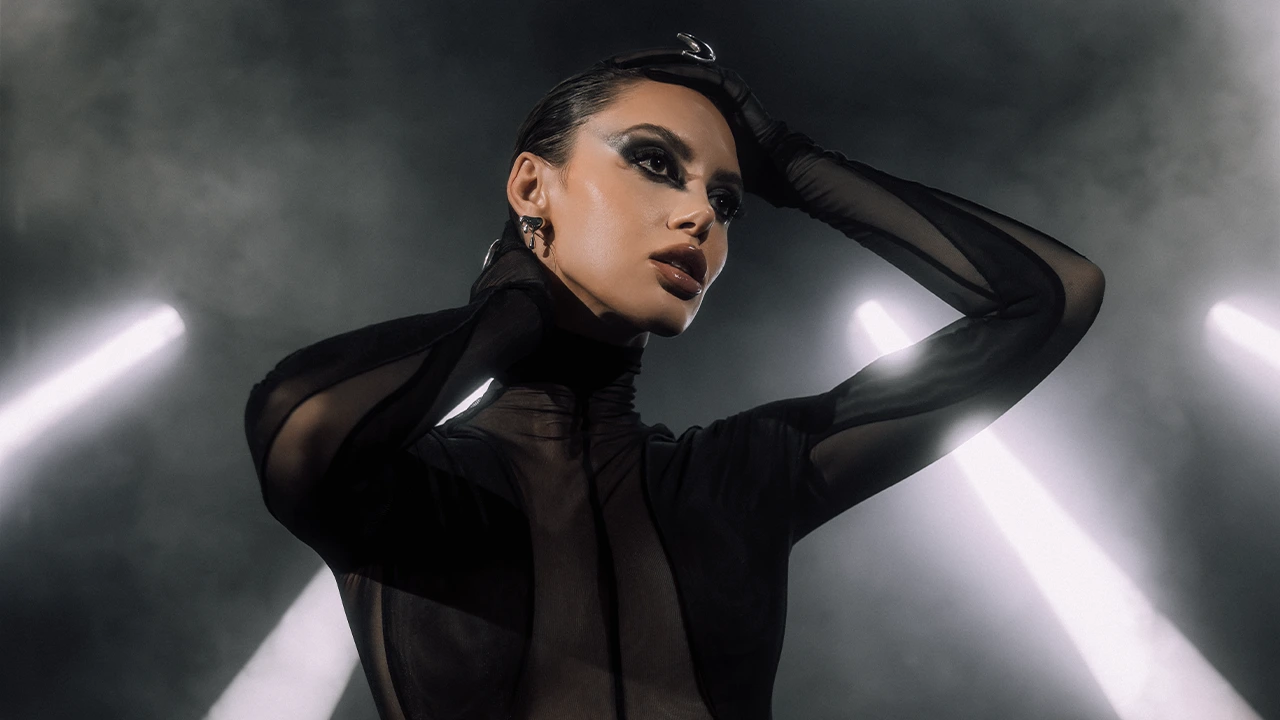
What Sara Landry Really Said About Ghost Production and Why It Sparked Debate
Her comments were not vague or diplomatic. They were detailed, personal, and rooted in her own experience climbing from local warehouse parties to major festival stages. Here is what she said.
"A Lot of People Hire Ghost Producers"
Landry was direct about what she discovered once she reached the upper tiers of the scene.
She explained that when she arrived at that level, she realized she was among the minority still handling her own productions, while many headline DJs rely on others in the studio so they can stay on the road.
She added that listeners can often verify who actually worked on records by checking platform credits such as Spotify or performing rights databases.
Her emphasis was not about exposing anyone in particular. It was about transparency and the value she personally places on craft.
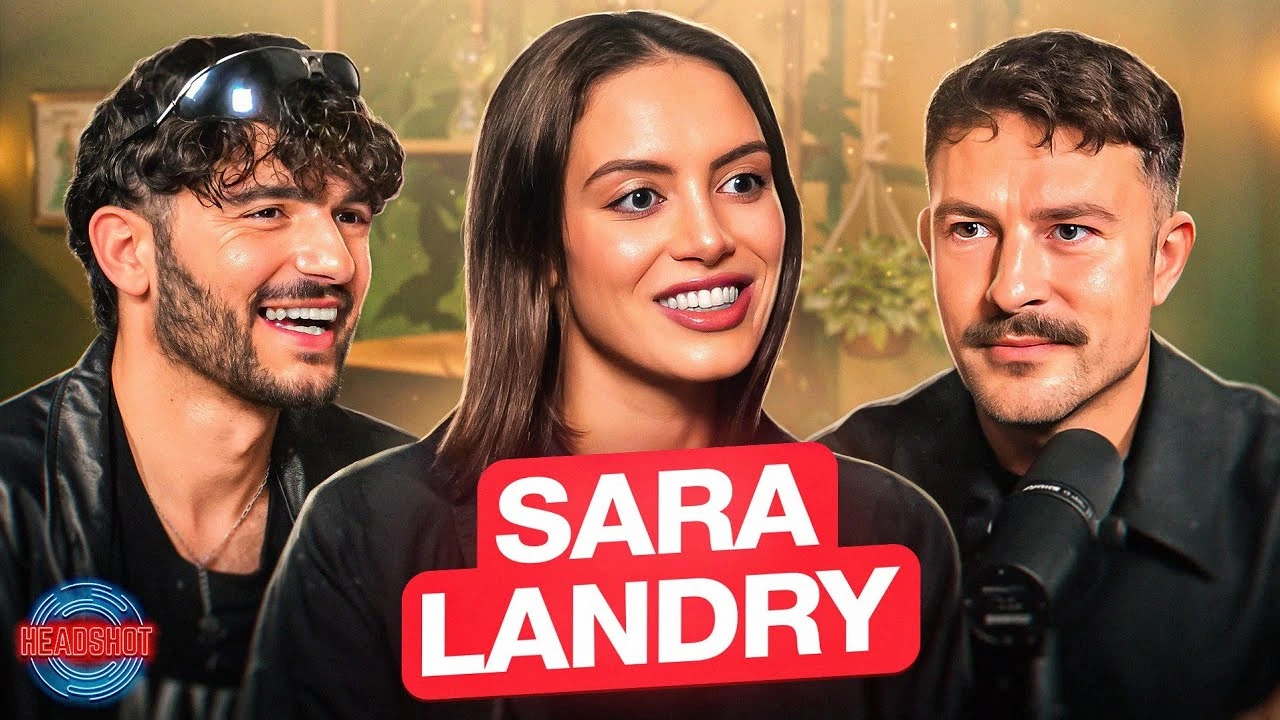
#1 world hard techno dj and debating tiktok techno with Sara Landry

Why She Insists on Doing Everything Herself
Landry stressed that she writes her own tracks, mixes them herself, masters much of her catalog, and clearly credits collaborators whenever they are involved.
She framed this not as moral superiority but as something that matters to her after spending more than a decade building skills in the studio.
For her, production is inseparable from artistic identity and from earning a place on major stages.
Pressure, Online Attacks, and the Gender Factor
When asked why she attracts so much hostility online, Landry connected part of it directly to sexism within dance music culture.
She described being accused of fake DJing or prerecorded sets, claims she feels surface far more often when women headline major stages.
She also mentioned how female peers privately encourage one another to ignore comment sections, noting that these accusations tend to circulate regardless of evidence.
In that context, ghost production rumors become especially loaded, because they are often used to undermine credibility rather than to spark serious discussion about industry practices.
TikTok, Touring Schedules, and Misconceptions
Landry linked the topic to the modern social media ecosystem, arguing that viral clips are a poor proxy for real technical skill or musical preparation.
She said thirty second posts are usually edited for engagement rather than to show long blends or complex transitions, while marathon club sets and studio work go largely unseen by critics.
From her perspective, this gap fuels speculation about who really makes the music behind superstar brands.
What Her Position Actually Is
Landry did not deny that ghost production exists. She acknowledged it plainly and described it as common at the highest touring levels.
She also made clear that she personally avoids using uncredited producers, prefers to handle her own work, and believes accusations are often weaponized online, particularly against women.
Her focus was less about policing others and more about defending her own process and long term approach to building a career.
Why the Conversation Matters in Today’s Dance Music Economy
Her comments arrive at a moment when DJs play dozens of festivals per year, social platforms reward personality over liner notes, studio teams operate behind superstar brands more openly than before, and fans demand authenticity but rarely inspect credits.
Landry’s stance highlights a growing tension in electronic music. Some view ghost production as a pragmatic solution to nonstop touring, while others see it as something that risks blurring artistic authorship unless handled transparently.
She clearly believes the difference lies in honesty, crediting, and personal ownership of the music.
Final Take
Sara Landry did not attempt to soften the subject. She acknowledged the reality of ghost producers in modern EDM while drawing a firm line around her own work ethic, transparency, and creative control.
Whether readers agree with her framing or not, her comments reveal something bigger about the current scene.
Production credits, touring schedules, gender bias, and social media optics are colliding, and ghost production sits right at that intersection.
If you would like, I can reshape this into a tighter media article, an opinion editorial, or a Reel style script for voice over.