Maddix-Inspired Festival Weapons with Rave and Techno Edge
By the early 2020s, Maddix had become one of the clearest signals that electronic music's genre boundaries were dissolving faster than anyone had predicted. The Dutch producer, born Pablo Rindt in Eindhoven, had already lived one successful career in big room house before walking away from it, rebuilding his entire production identity from scratch, and emerging on the other side with a sound that could simultaneously satisfy a techno purist and fill a festival mainstage. That combination proved remarkably difficult for anyone else to replicate, and that is exactly what made the Maddix reference so useful.
His name became closely associated with the moment when peak-time techno and rave-rooted aggression stopped being confined to underground clubs and began appearing in the same conversation as Tomorrowland, Ultra Miami, and DJ Mag Top 100 positions. By 2025 he was performing on the Tomorrowland Mainstage, a milestone he had described as a lifelong goal, while simultaneously holding an Amnesia Ibiza residency under his own EXTATIC label and releasing B3B sets with Armin van Buuren and Oliver Heldens at Ultra. The trajectory was not gradual. It was one of the more dramatic accelerations in recent dance music history.
That historical role matters because the Maddix reference is not simply a shorthand for distorted kicks or aggressive BPM counts. It points to a specific production logic: acid-saturated sound design, rumble-style low end, trance-informed breakdowns sitting inside techno structures, and arrangements engineered for total crowd commitment across every scale of venue. Over time, the name became shorthand for a hybrid language that refuses easy categorisation and gains commercial power from that refusal.
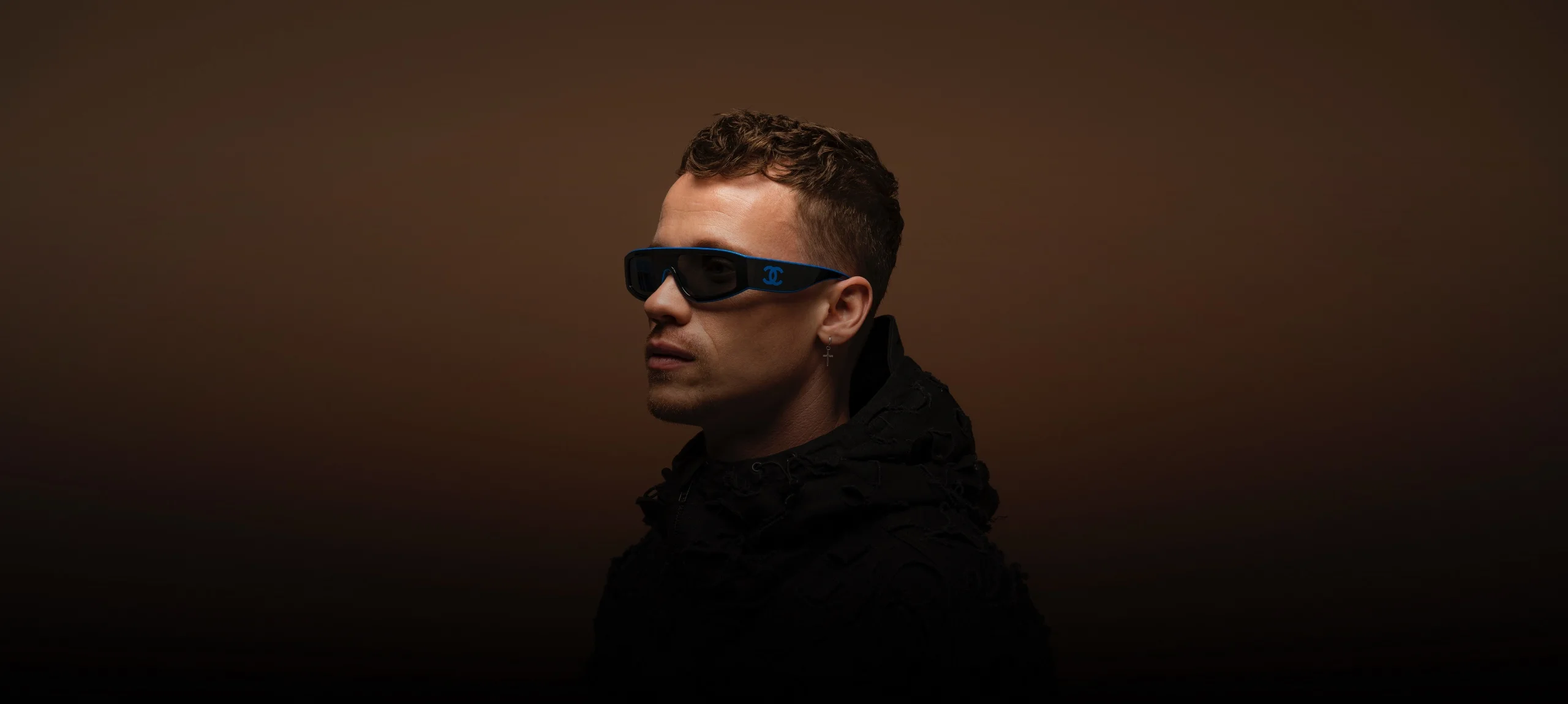
How this direction became so recognizable
The background matters here. Maddix came up through Revealed Recordings with genuine big room credentials. His 2018 collaboration with Hardwell on "Bella Ciao" reached over 110 million Spotify streams and remains one of the most played festival-era productions of that cycle. But by 2019, he described growing tired of the format: he was attending techno parties and not buying tickets to the EDM shows he himself was headlining. That tension led directly to the sound reinvention.
What emerged was not simply a genre switch. It was a deliberate recombination. The big room experience left behind an extremely refined understanding of how tension curves function at festival scale, how quickly an arrangement needs to communicate before a large crowd disconnects, and how to engineer a release moment that translates across sound systems of every quality. Those skills did not disappear when the sound got harder. They became the structural skeleton underneath acid lines and distorted kicks.
The Revealed Recordings connection also shaped how quickly the sound found an audience. Maddix carried an established fanbase into the new direction rather than starting from zero, and that existing visibility meant early techno-rave productions like "Heute Nacht" received immediate exposure that purely underground artists could not access. "Heute Nacht" spent two consecutive months at number one on Beatport's Techno Peak Time chart and accumulated another 110 million streams, proof that the approach worked commercially at the same scale as anything from his big room period.
The musical language behind Maddix
The core of this sound is built around elements that reference early rave culture while running through modern production infrastructure. Screaming TB-303 acid lines serve as both melodic content and textural character, not decorative additions but primary identity markers that appear in the intro, the drop, and often the breakdown. The kick drums are deliberately distorted and messy in the manner of the 909, physically present in the low end in a way that polished festival EDM rarely attempts. BPM sits in the 133 to 142 range, faster than traditional big room but configured for sustained crowd energy rather than the two-minute build-and-drop architecture of the peak festival era.
What separates stronger production in this lane from generic hard techno imitation is the presence of melodic and emotional anchors. Maddix tracks consistently include something the crowd can recognise and respond to: a vocal hook, a trance-influenced breakdown, a sampled reference to a familiar rave moment. The 2025 track "Never Alone" built its identity around a 2 Brothers On The 4th Floor sample. "Young Birds" drew from early 2000s happy hardcore. The acid lines themselves become melodic material rather than background texture. That is why the records work at festivals in ways that more austere techno often cannot: they carry both the aggression of underground club culture and the communicative directness of performance-oriented dance music.
The production philosophy behind this was described by Maddix himself in terms of what he called the rawness of the 90s. In that era, acid lines were screaming, kicks were distorted, and tempos were high. The goal is to capture that energy using modern tools without sanding away the character that made it feel physical and urgent. The Maddix Rumble plugin he developed specifically addresses the technical problem of creating a warm, messy kick that holds its integrity on large festival sound systems. Its reverb reset function prevents low-end accumulation across a 4/4 pattern from collapsing into blur at volume.
Sound, arrangement, and mix priorities
In technical terms, this direction depends on controlled aggression and structural clarity running simultaneously. The kick must feel physically present and centred without overwhelming the acid material sitting above it. Lead elements, whether acid lines, trance synths, or sampled vocals, need enough definition to cut through at festival volume without becoming brittle or fatiguing over a long set. The drop cannot rely on volume alone. It needs rhythmic and textural specificity that gives the crowd something to lock onto.
Arrangement economy is essential. The records that work in this lane communicate their identity early. The acid line that will carry the drop is usually introduced in some form before it arrives. The tension curve follows a logic that feels inevitable rather than mechanical. The anticipation is built through sound design and dynamic restraint, not through stacking identical filter sweeps and white noise risers. Transitions matter as much as payoff moments because this music is primarily mixed in DJ sets rather than experienced as isolated records.
The trance reference inside the techno structure is one of the more specific elements that defines the Maddix lane versus adjacent sounds. There is usually a breakdown that expands emotionally before the drop re-enters. Reverb opens up, elements thin out, and there is often a melodic or lyrical moment that creates a sense of release before the kick and acid return. This is the structural heritage of artists like Armin van Buuren and the A State of Trance ecosystem applied to a harder, faster sonic context. It is not coincidental that one of Maddix's most high-profile 2025 collaborations was a Face-to-Face set and a studio release with van Buuren himself.
