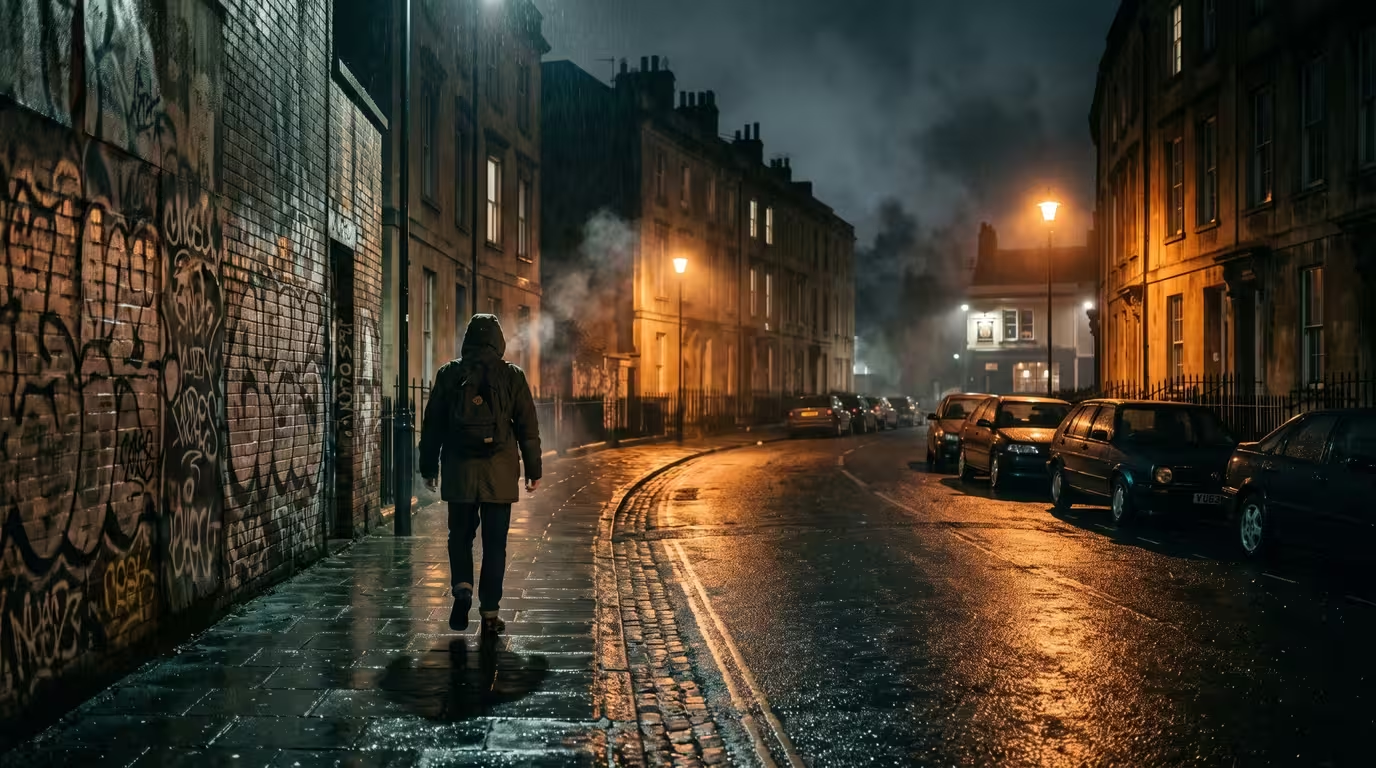
Some genres are invented in a studio. Trip hop was invented in a city. It came out of Bristol in the early 1990s: hip-hop slowed to a heartbeat, cooled to room temperature and lit like a film noir, all dusty breakbeats, deep dub basslines, sampled soul and jazz, and vocals that hovered somewhere between a whisper and a seance. It was music for headphones and 4 a.m., not the dancefloor. And, in one of pop's great ironies, almost every artist credited with creating it despised the name.
Blog
Trip-Hop and the Bristol Sound
How a mid-sized English port city slowed hip-hop down, cooled it off, and made it cinematic.
What Trip Hop Actually Is
Strip trip hop down and you find a specific recipe. Tempos sit low and heavy, roughly 60 to 110 BPM and most often loitering around 80 to 90, built on hip-hop-derived breakbeats rather than four-to-the-floor kicks. On top go crate-dug samples: dusty soul, cool jazz, funk, film scores and library records, chopped and looped. Underneath runs a dub-influenced bassline you feel more than hear. The mood is minor-key and nocturnal; the textures are cinematic; the vocals tend toward sultry, haunted women or laconic, half-mumbled rapping.
Reference works describe it as atmospheric, downtempo music shaped by film soundtracks, 1970s funk and cool jazz, and typically built from samples. What made it new was not any single ingredient but the fusion: hip-hop's rhythmic DNA welded to the atmospheres of ambient, dub and soul. It was, in effect, hip-hop reimagined as mood music, sophisticated, smoky and made for listening.
Why Bristol
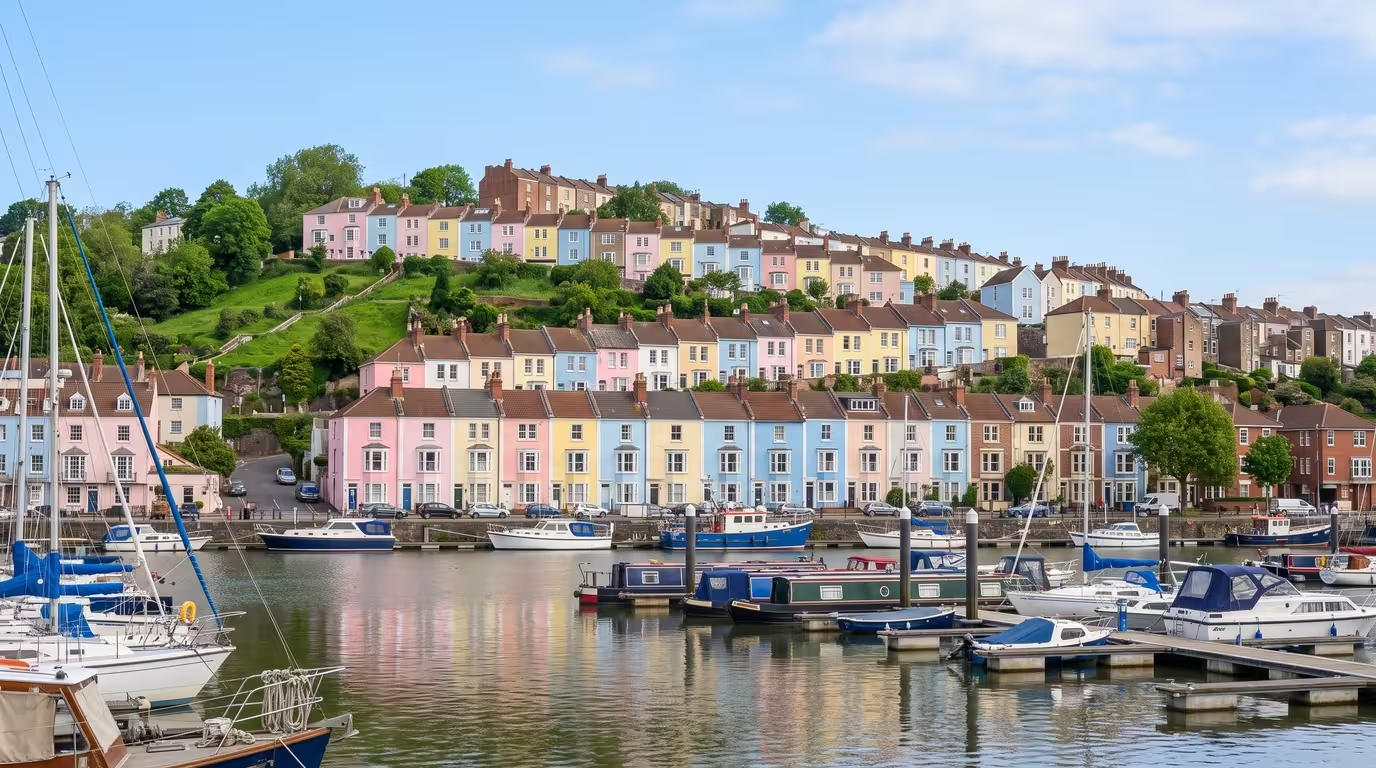
The scene could only have come from Bristol, and understanding why means facing the city's history honestly. Bristol was one of Britain's leading ports in the transatlantic slave trade in the 17th and 18th centuries, a trade that built much of its wealth and shaped its demographics. Waves of Caribbean and Jamaican migration in the 20th century gave the city a large Black community, concentrated in the St Pauls area, the same neighbourhood that erupted in the St Pauls riot of 1980 amid tension between residents and police.
That community brought Jamaican sound-system culture: custom-built speaker stacks, dub, reggae and all-night blues parties. In Bristol those systems collided with punk, funk, soul and imported American hip-hop. The catalyst venue was the Dug Out, a tiny basement club on Park Row that sat, geographically and socially, between the Black music scene of St Pauls and the student and art crowd of Clifton, a rare place where Bristol's tribes actually mixed.
The Wild Bunch: The Seed
Out of that basement grew The Wild Bunch, the sound system and loose collective that seeded everything. Named after Sam Peckinpah's 1969 Western, they began performing on the Bristol scene in the early-to-mid 1980s, with Grant Daddy G Marshall and Miles DJ Milo Johnson as the main DJs and Nellee Hooper among the founders. In 1984 they pulled in a young graffiti artist, Robert 3D Del Naja, who became one of their MCs; a teenage Adrian Thaws, the future Tricky, joined later in the decade. Their sets fused punk, reggae, rare groove and hip-hop with a taste for slow, heavy, atmospheric rhythms that would become the blueprint.
The Wild Bunch dissolved around 1986. Hooper decamped to London and became a star producer with Soul II Soul and beyond. And in 1988, three of the remaining figures, Del Naja, Marshall and Andrew Mushroom Vowles, regrouped as Massive Attack. Also crucial were Smith & Mighty, the production duo of Rob Smith and Ray Mighty widely regarded as the true architects of the Bristol sound, who produced Massive Attack's debut single Any Love in 1988 and cracked the UK Top 10 with Fresh 4's Wishing on a Star. The scene was small, collaborative and incestuous; everyone played on everyone's records.
Blue Lines and the Founding of a Sound
Massive Attack's debut, Blue Lines, arrived on 8 April 1991 via the Wild Bunch and Virgin labels, and it is widely regarded as the foundational trip hop record and one of the great British albums. Rolling Stone's 2020 list of the 500 greatest albums of all time ranked it number 241 and called it a dark, cinematic blueprint for trip-hop. Produced by the group with Jonny Dollar, it stitched together the reggae legend Horace Andy, the soul singer Shara Nelson and a young Tricky into something nobody had heard: dance music, as Daddy G later put it, for the head rather than the feet.
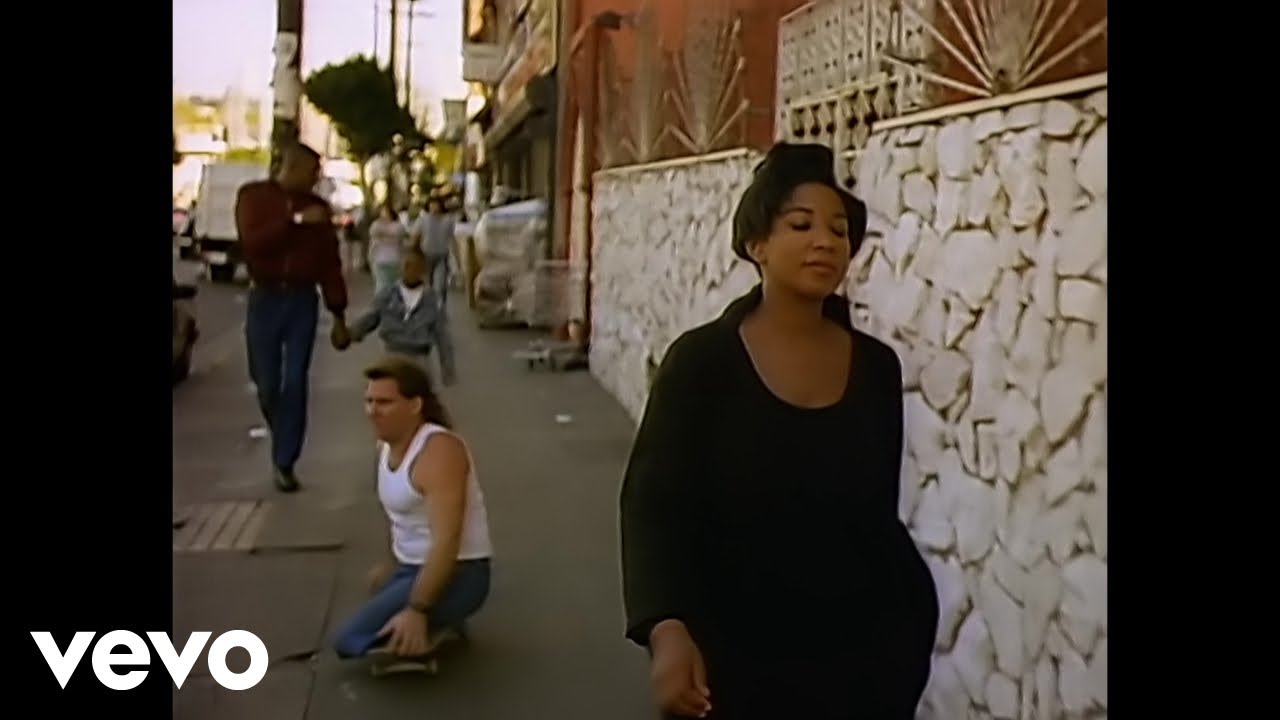
Its centrepiece, Unfinished Sympathy, remains one of the most admired British singles ever made, a sweep of live strings over programmed beats, with an iconic single-continuous-shot video of Shara Nelson walking through Los Angeles. Released on 11 February 1991, it reached number 13 in the UK and topped the Dutch Top 40. There is a strange footnote, too: because the single dropped during the Gulf War, the band temporarily shortened its name to Massive to avoid a radio ban.
Massive Attack refined the template on Protection (1994), produced by Nellee Hooper and featuring Tracey Thorn, before going darker and heavier on Mezzanine (1998), home to Teardrop and their first UK number one album.
Massive Attack - Unfinished Sympathy
Portishead and Tricky: The Sound Defined
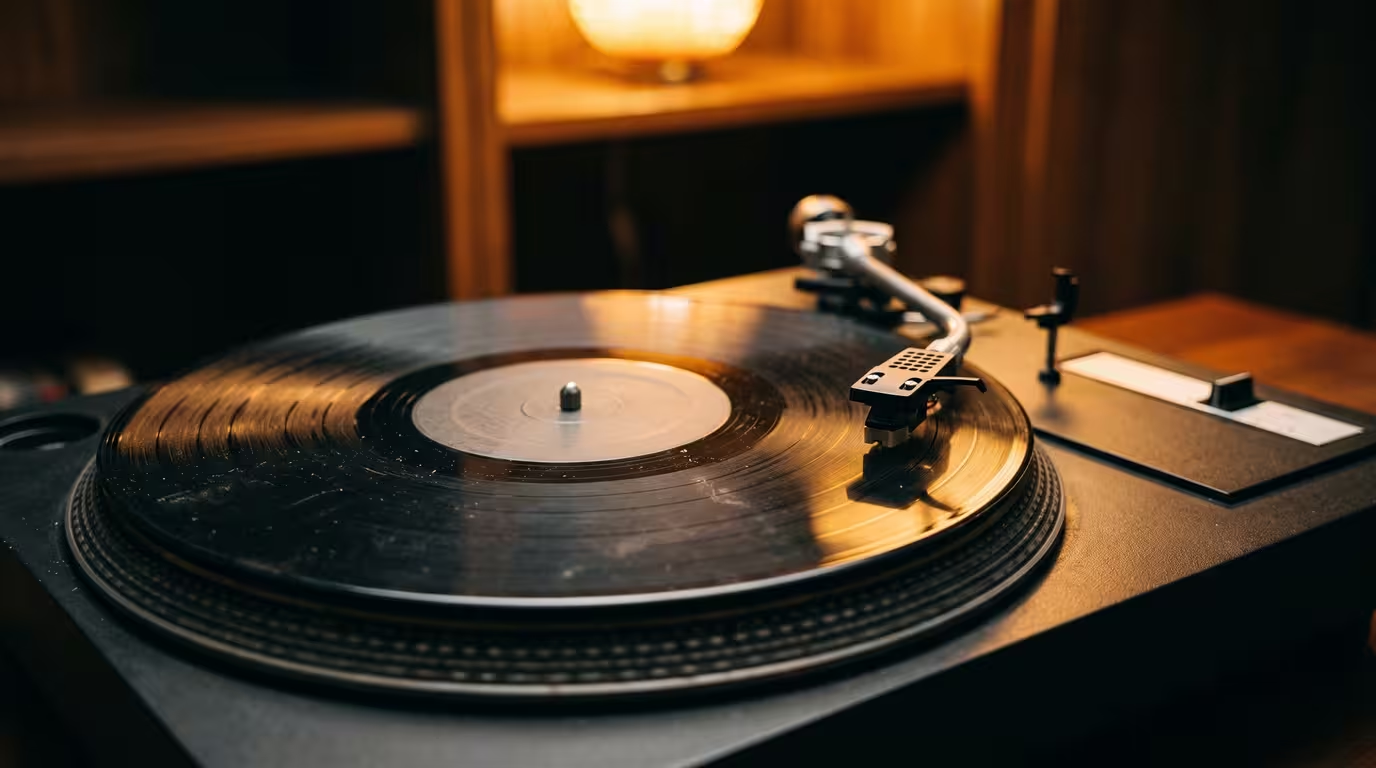
If Massive Attack founded the sound, two more Bristol acts defined it. Portishead, made up of Beth Gibbons, Geoff Barrow and Adrian Utley, released their debut Dummy on 22 August 1994 and won the 1995 Mercury Music Prize. Its aesthetic was pure spy-film noir: Gibbons's cracked torch-song vocals over Barrow's meticulous production. Famously, Barrow would record parts to vinyl, physically degrade the records to get crackle and wear, then re-sample them, chasing the grain of a 1960s soundtrack rather than digital cleanliness. Sour Times and Glory Box became the sound's calling cards.
Tricky, meanwhile, took it somewhere claustrophobic and paranoid. His 1995 solo debut Maxinquaye, named after his late mother, Maxine Quaye, paired his menacing, garbled rasp with the cool, sensual vocals of Martina Topley-Bird, whom he had discovered as a Bristol teenager. Whispered, druggy and dread-soaked, the record reached number three in the UK and is often called the movement's zenith. Bristol's parallel drum-and-bass scene produced its own Mercury winner in Roni Size / Reprazent's New Forms (1997).
The Name Nobody Wanted
Here is the twist: trip hop was not coined in Bristol at all. In the June 1994 issue of Mixmag, the journalist Andy Pemberton used the phrase to describe In/Flux, a 1993 single by San Francisco's DJ Shadow, and similar records being spun in London clubs. The label then got stapled onto the Bristol artists, who wanted nothing to do with it.
Their rejection was near-unanimous; as NPR's 2012 feature on the scene put it, the genre's prime movers, Massive Attack, Tricky and Portishead, all loathe the term. Portishead's Geoff Barrow was blunt about it decades later, telling MusicRadar that he hated the trip-hop tag the first time he heard it and still does, and that what Portishead, Massive Attack and Tricky were doing was not trip-hop at all but British soul music, with trip-hop an invention by people from London. Tricky was equally scornful, and Massive Attack distanced themselves too. Many preferred, if anything, the Bristol sound, a name that at least pointed to where the music actually came from. The tension was between a catchy journalistic marketing tag and artists who saw their work as soul music, not a novelty subgenre.
Beyond Bristol, and the Peak
The label spread fast because the music was spreading fast. In America, DJ Shadow built his 1996 masterpiece Endtroducing..... for James Lavelle's London label Mo' Wax, founded in 1992; Guinness World Records recognises it as the first album recorded using only sampled sounds. Ninja Tune, founded in London in 1990 by Matt Black and Jonathan More of Coldcut, became the other great hub of instrumental, sample-based downtempo. A wider constellation followed: Morcheeba, Sneaker Pimps, Lamb, Belgium's Hooverphonic, Washington's Thievery Corporation, Austria's Kruder & Dorfmeister, and the French downtempo of Air.
By the late 1990s trip hop was everywhere, in adverts, film and TV soundtracks, and an endless tide of chill-out compilations. That ubiquity became its curse. The sound curdled into shorthand for sophisticated background music, drawing dinner-party-music sneers, and by the early 2000s the genre had largely faded as casual listeners moved on.
The Atmosphere That Never Left
Faded, but never gone. Trip hop's dusty, slowed, sample-based approach is the clear ancestor of today's lo-fi hip hop and study beats, a connection widely noted by critics, and its DNA runs through downtempo, alternative R&B, moody atmospheric pop and cinematic electronic music. Massive Attack and Portishead remain critically towering, Bristol remains one of Britain's most important music cities, and the sound has enjoyed a genuine revival and critical reappraisal in recent years.
For producers, the craft at the heart of trip hop, dusty breaks, deep bass, cinematic texture and atmosphere over aggression, remains a deep and rewarding well to draw from. Call it trip hop or call it the Bristol sound; the name its own creators rejected has outlasted their objections, and the smoke it produced still hangs over modern music.
Key takeaways
• Trip hop is the smoky, downtempo, sample-based fusion of hip-hop beats with dub, soul, jazz and electronica that emerged from Bristol in the early 1990s.
• Bristol's port history, Caribbean community and sound-system culture, filtered through the Wild Bunch and the Dug Out club, made the scene possible.
• Massive Attack's Blue Lines (1991) founded the sound; Portishead's Dummy (1994) and Tricky's Maxinquaye (1995) defined it.
• The term was coined by Mixmag's Andy Pemberton in 1994 for DJ Shadow, and rejected almost universally by the Bristol artists.
• Its influence endures in lo-fi hip hop, downtempo, alternative R&B and cinematic electronic music.
