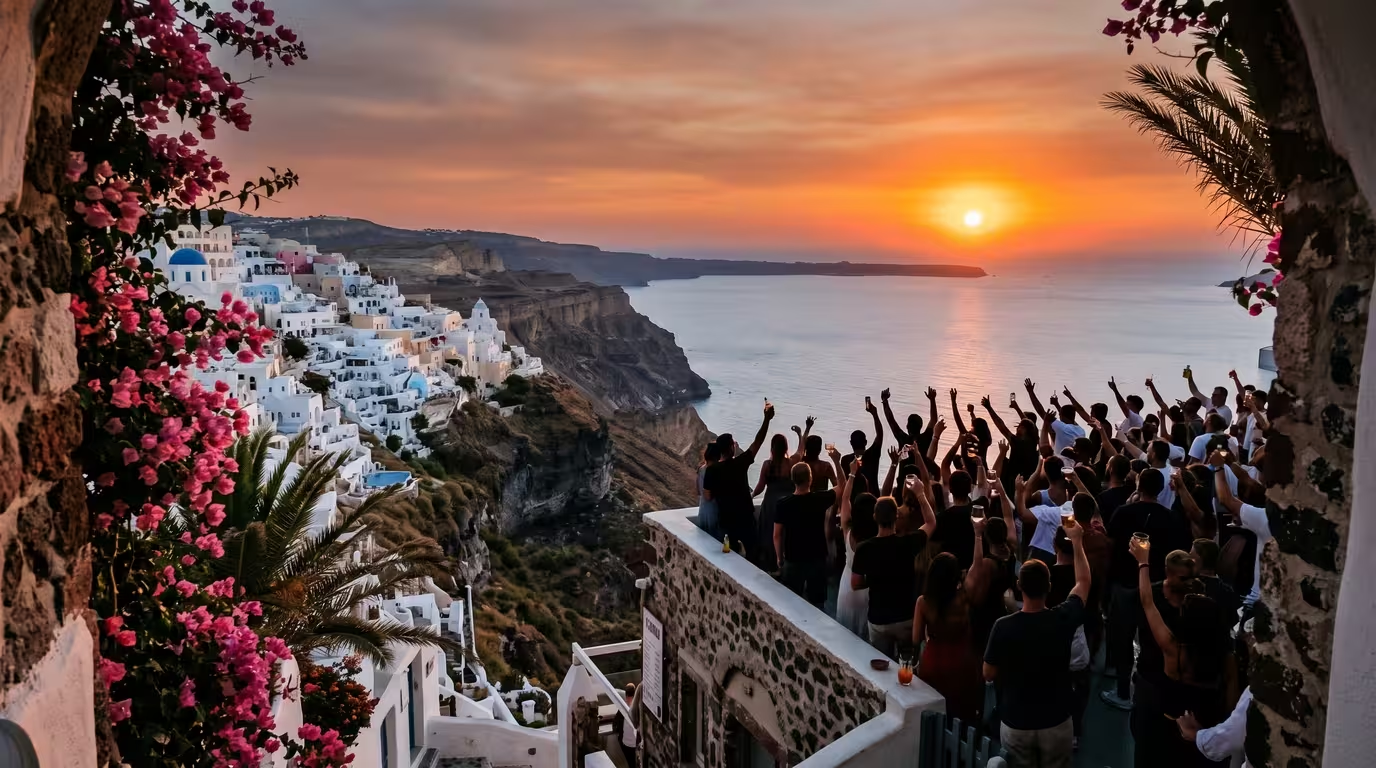
Every summer the electronic-music world makes the same pilgrimage to a small island off the coast of Spain. It comes for the DJs, the terraces and the sunsets, but it is really paying tribute to a place that wrote the rulebook everyone else now follows. Long before it was the capital of clubbing, Ibiza was something stranger and quieter: a poor, tolerant island that happened to become a refuge for everyone the rest of the world had no room for. The clubs came later. The freedom came first.
Blog
How Ibiza Became Clubbing's Capital
The story of how a bohemian Mediterranean refuge invented the summer season and became dance music's beating heart.
The Island Before the Clubs
Ibiza, or Eivissa in Catalan, is the third-largest of Spain's Balearic Islands, and for most of its history it was a crossroads rather than a destination. Phoenicians, Carthaginians, Romans and Muslims all left their mark, and in 1999 UNESCO inscribed a cluster of the island's assets on the World Heritage List under the title Ibiza, Biodiversity and Culture: the Renaissance fortress of Dalt Vila, the Phoenician settlement of Sa Caleta, the Puig des Molins necropolis, and the vast underwater meadows of Posidonia seagrass.
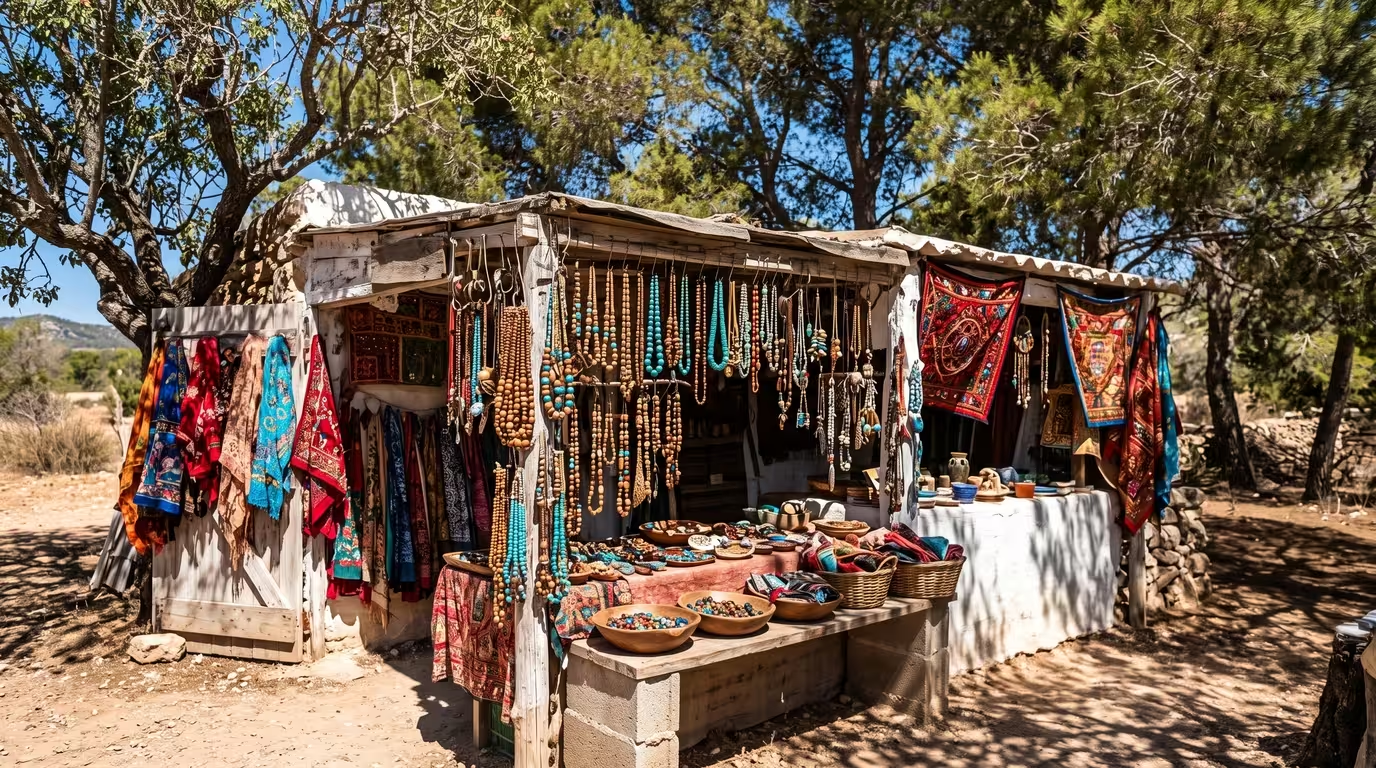
That deep history matters less to this story, though, than what happened in the middle of the twentieth century. As tourism opened up the island in the 1950s and especially the 1960s, Ibiza became a magnet for beatniks, artists, draft-dodgers and hippies. Under the Franco dictatorship, the island's isolation was paradoxically its appeal: it was cheap, remote and, by the standards of Francoist Spain, remarkably tolerant. Foreigners could rent a crumbling finca for almost nothing and live largely as they pleased. Out of that culture grew the hippie markets that still run today, Punta Arabi at Es Canar, founded in 1973, and Las Dalias in Sant Carles, founded in 1985, trading beads, embroidered fabrics and records brought back from Goa and Bali. The ethos those markets embodied, freedom without a rulebook, became the island's true inheritance.
The First Clubs
The nightlife grew straight out of that soil. In 1973 Pacha opened in Ibiza in a whitewashed farmhouse facing Ibiza Town, six years after Ricardo Urgell had founded the brand with its now-global twin-cherries logo in Sitges, near Barcelona, in 1967. In 1976, the Madrid philosopher Antonio Escohotado leased an eighteenth-century finca near Sant Rafel and opened a discotheque he first called the workshop of forgetfulness; a co-founder proposed the shorter Greek-derived name that stuck: Amnesia. Two years later, in 1978, the venue that began as Club San Rafael became Ku, a sprawling, open-air, polysexual pleasure palace often compared to an outdoor Studio 54. Es Paradis in San Antonio had opened its doors in 1975.
These were open-air venues, roofless and facing the sunrise, with mixed international crowds and a theatrical streak. Ku in particular became a stage for genuine spectacle: on 30 May 1987, Freddie Mercury and the Catalan soprano Montserrat Caballe performed their duet Barcelona live there. The clubs were beautiful, chaotic and unlike anything in northern Europe.
The Balearic Beat
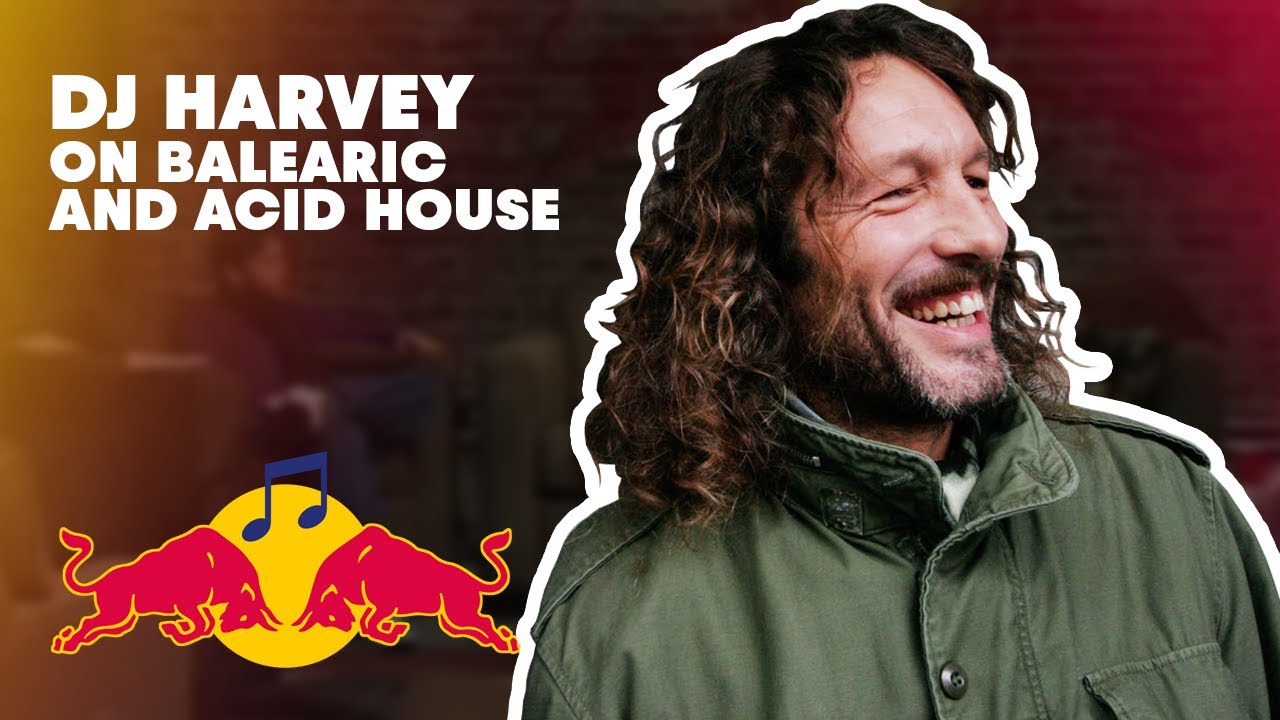
The sound that made Ibiza famous was born on Amnesia's open-air terrace. Alfredo Fiorito, an Argentine who had fled the 1976 military coup and drifted through jobs as a candlemaker, delivery man and barman, began DJing at Amnesia in 1983 and became its resident. With a crowd drawn from every country and no genre orthodoxy to satisfy, he played whatever worked: house, disco, rock, reggae, new wave, pop and outright oddities, mixed in long marathon sets that could run from midnight to noon. That genre-blind approach became known as the Balearic beat, and it remains Ibiza's single most influential musical export.
In the summer of 1987, four young British DJs, Paul Oakenfold, Danny Rampling, Nicky Holloway and Johnny Walker, experienced Alfredo at Amnesia and carried the feeling home. What they built in London, from Rampling's Shoom onward, helped ignite British acid house and the Second Summer of Love, a story worth telling on its own. What matters here is the direction of travel: the ethos was made in Ibiza first, then exported.
DJ Harvey on Balearic and the Birth of Dance
The 1990s Boom
In the 1990s the trickle became a flood, and Ibiza became the summer destination for British and European clubbers. The engine of that boom was the imported club night: UK and European brands ran weekly residencies on the island and turned promoters into empires. Manchester's Manumission arrived at Ku and Privilege in 1994, a piece of high-camp nightlife theatre that packed the 10,000-capacity room on Mondays, with a record attendance reported at 13,000. Liverpool's Cream first tested the waters in 1994 and settled into a long Thursday-night residency at Amnesia from 1996; Ministry of Sound, Renaissance and others followed. The old superclub, meanwhile, had rebranded: after new ownership, Ku became Privilege in the mid-1990s, and the 2003 edition of Guinness World Records recorded it as by far the world's largest nightclub, covering 6,500 square metres and holding 10,000 clubbers.
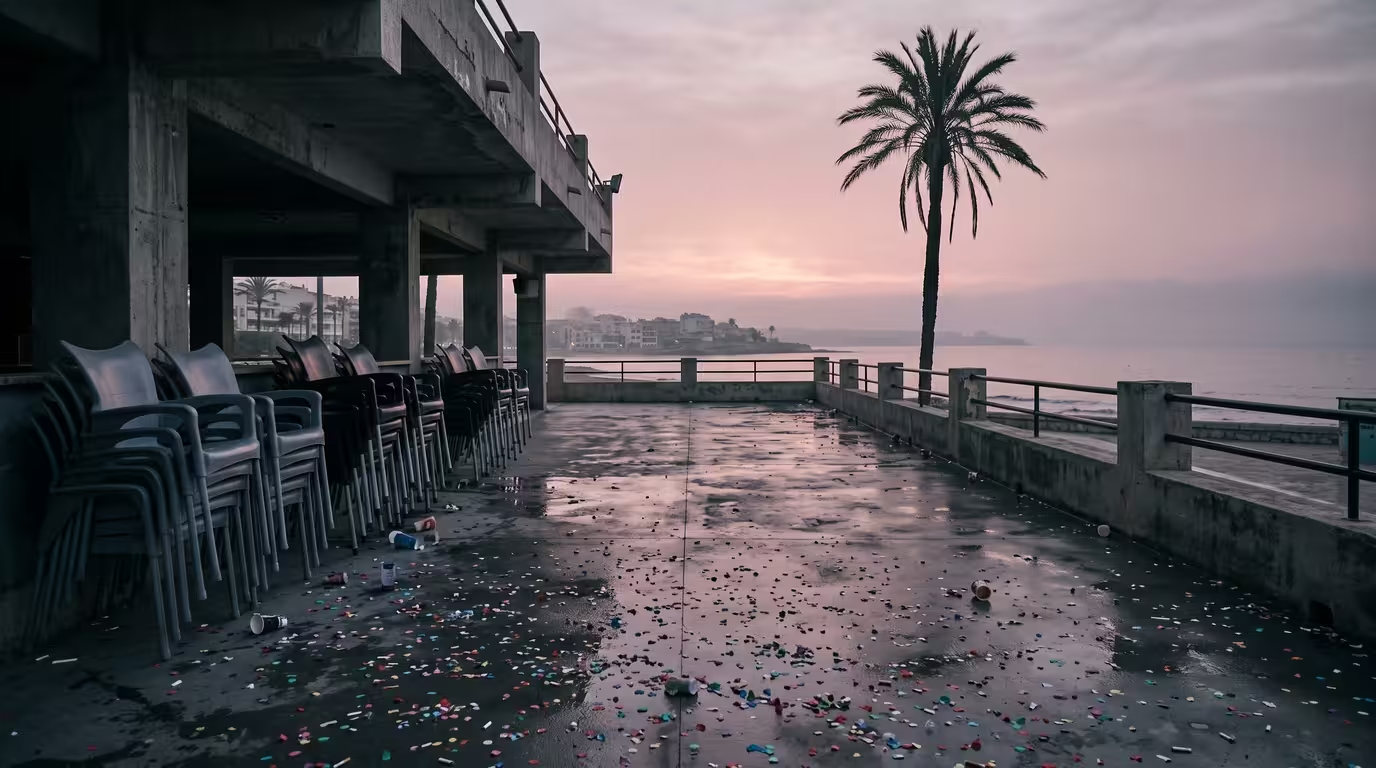
Two things reshaped the physical clubs in this era. First, noise regulations around 1990 and 1991 forced the open-air venues to roof over their dancefloors: Amnesia enclosed its famous Terrace with a glass roof, and Es Paradis capped itself with its now-iconic glass pyramid. Second, Space, which opened in 1986 on Playa d'en Bossa and hit its stride when the veteran promoter Pepe Rosello took it over in 1989, pioneered the after-hours session, opening in the morning as other clubs closed and letting the party spill onto an open terrace beneath the airport flight path. Its We Love Sundays became a global institution. At the other end of the spectrum, DC-10, a scruffy bar by the runway run by the Lara brothers since 1989, birthed Circoloco in July 1999, a free Monday-morning after-party for workers and heads that grew into one of dance music's most important underground brands.
The Sunset Strip and the Soundtrack
Ibiza did not only import music; it generated its own. On the western side of the island, Cafe del Mar opened in Sant Antoni on 20 June 1980, its whitewashed lines designed by the architect Lluis Guell. From 1991 the DJ Jose Padilla played sunset sets there, and the compilation series he began curating for the UK's React label in 1994 turned Balearic chill-out into a worldwide genre. The nightly ritual of gathering to watch the sun drop into the sea, soundtracked by ambient and downtempo records, became as much a part of the island's identity as any dancefloor.
The Modern Era
The 2000s and 2010s pushed Ibiza toward spectacle and scale. Table service, premium tickets and residencies by the world's biggest names became the model, accelerated by the global EDM boom. In 2011 the Ushuaia Ibiza Beach Hotel opened on Playa d'en Bossa, pioneering the festival-scale, open-air day-club with headline DJs. When Space closed after its final party on 2 October 2016, with Carl Cox ending a fifteen-year relationship with the club as the last record played, its site did not stay dark for long: Hi Ibiza opened there on 28 May 2017 and was voted the world's number one club in DJ Mag's Top 100 Clubs poll for four consecutive years, from 2022 to 2025, the first venue to win four years in a row.
The island's older institutions have had mixed fortunes. Amnesia, Pacha and DC-10 remain central; Pacha was acquired by outside investors in 2017. Privilege, the one-time world's largest club, closed in 2019 and stayed shut through the pandemic, until the team behind Ushuaia and Hi, The Night League, reopened the site in 2025 under a new name, UNVRS. Since 2008 the island has also hosted the International Music Summit each spring, and its annual IMS business report has become a widely cited barometer of the sector, with the most recent edition, authored by MIDiA Research's Mark Mulligan, valuing the global electronic-music industry at a record 15.1 billion dollars.
The Tensions and the Critique
Ibiza now wrestles with the cost of its own success. Housing has become the sharpest flashpoint: seasonal workers who keep the clubs running have been priced out entirely, with reporting describing staff living in tents, vans and unauthorised encampments as rents have soared. Overtourism has provoked a political backlash, and the Balearic government has tightened the screws, extending bans on late-night alcohol sales in hotspots such as Sant Antoni and restricting party boats from sailing within one nautical mile of designated areas, with fines for street drinking. Critics argue the island has priced out the very underground culture that made it. The counter-argument is that the underground is not dead but relocated: it still thrives at DC-10 and Circoloco, at the hotel-turned-institution Pikes, and at smaller rooms away from the mega-club economy. Both things are true at once.
The Legacy
Why does Ibiza still matter? Because it invented the shape of modern dance-music life. It created the summer season and the residency as the organising principle of a DJ's career; it gave the industry its most durable brands; it exported the Balearic ethos of open-minded, genre-blind selection to the whole world; and it remains the place the business physically gathers each spring. The island's residency model, with long sets and the art of reading a specific room at a specific hour, also quietly shaped how club records are built to work in the first place. Ibiza is both a myth and a functioning economy, and the tension between the two is precisely what keeps it alive.
Key takeaways
• Ibiza's club culture grew directly out of its 1960s bohemian, tolerant, cheap-to-live-on refuge status.
• The open-air clubs, from Pacha (1973) and Es Paradis (1975) to Amnesia (1976), Ku (1978) and Space (1986), set the template.
• DJ Alfredo's genre-blind Balearic beat at Amnesia is the island's most influential musical export.
• The 1990s residency boom and the modern superclub turned Ibiza into a global industry.
• Today the island fights overtourism, soaring rents and worker housing shortages while its underground survives.
