Some DJs command a room. Carl Cox convinces it he is one of them. For nearly forty years the British selector has been the rare superstar nobody seems to resent: a booming laugh behind the decks, a grin the size of a warehouse, and a bottomless appetite for the next record. This is the story of how a mobile-disco kid from south London became acid house's biggest room-filler, mastered three turntables at once, ruled the superclub era, and stayed the people's DJ through every reinvention of the music he loves.
Blog
Carl Cox: The People's Techno Hero
How a mobile-disco kid from south London became acid house's biggest room-filler and dance music's most beloved figure.
From Barbadian House Parties to Mobile Discos
Carl Andrew Cox was born on 29 July 1962 in Oldham, England, to parents who had emigrated from Barbados. The family soon moved south, and Cox grew up around Tooting and Carshalton in south London in a home where music was never off. His father's record collection, full of soul, funk, reggae, calypso and Motown, became his first education, and by the age of eight he was manning the record player at family parties, learning in real time how a room moves.
He bought his first pair of turntables at 15 and turned that instinct into a trade, running a mobile disco through weddings, birthdays and youth clubs across the suburbs for years. He built his own sound system, worked as a scaffolder and carpenter to fund the habit, and at 24 took a 1,000-pound grant from The Prince's Trust to buy proper equipment and go self-employed. He first visited Ibiza in 1984, sleeping in a hired Fiat Panda, and came home determined to become a DJ for real. As the official biography tells it, the years of playing everything to everyone gave him a versatility that later separated him from the pack.
The Three-Deck Wizard of the Rave Years
Everything changed when acid house arrived. After moving to Brighton in 1986, Cox threw himself into the sound sweeping Britain during the Second Summer of Love, playing the opening night of Danny Rampling's seminal London club night Shoom and becoming a fixture on the illegal M25 rave circuit and the Sunrise events.
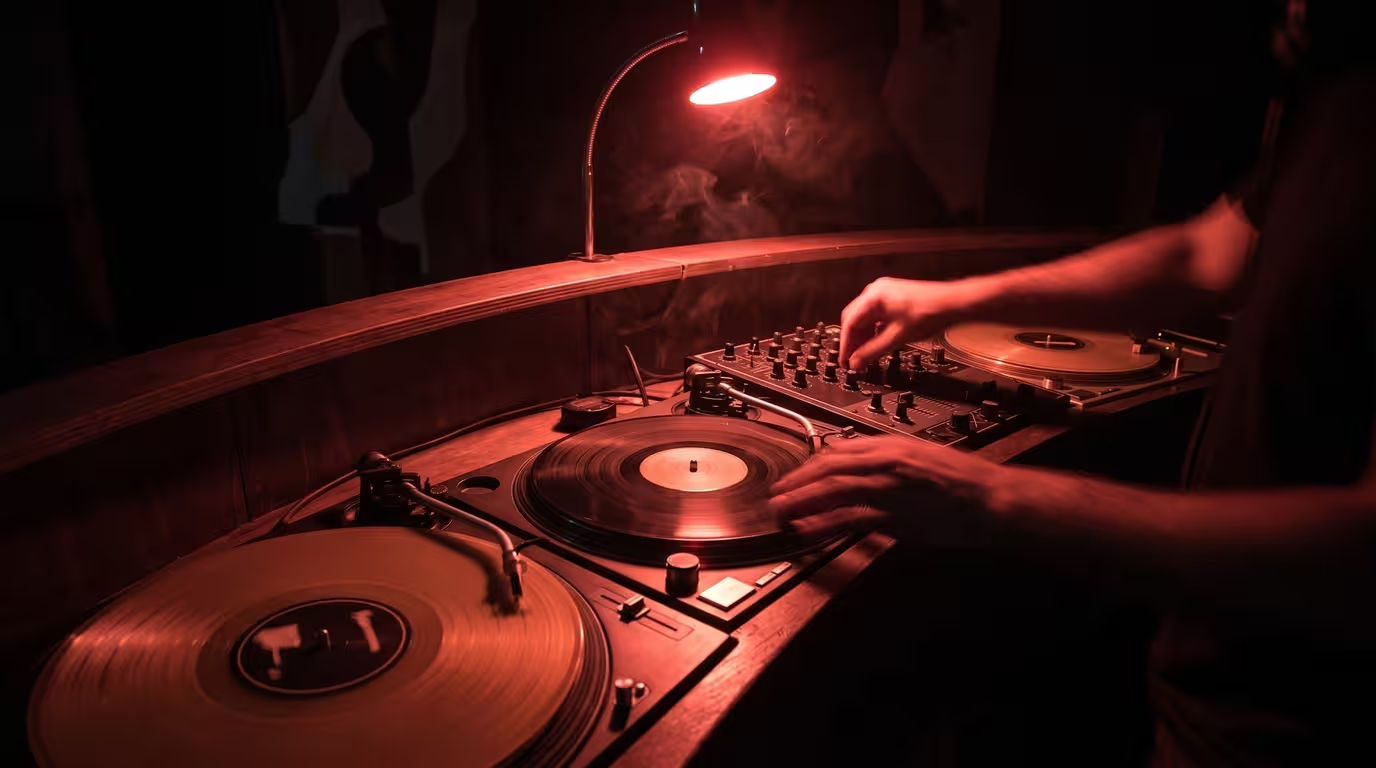
It was at the Sunrise rave on the outskirts of London in 1988 that he did the thing that made his name. In his own words, at half past ten on a hazy Sunday morning he managed to tempt 15,000 partied-out ravers back onto their weary feet and kick the party back into action. He had hooked up a third turntable and begun mixing across all three at once, a fatter, faster, more relentless sound than anyone else was making. The crowd found a second wind, and Cox found his identity. The nickname the Three-Deck Wizard stuck, and, as DJ Mag has recounted, Danny Rampling calls his style ferocious because he attacks the decks with everything he has. The other thing that stuck was a phrase. Somewhere in those early raves, in the habit of grabbing a mic to talk to the floor and answer its demands for harder and faster, he began replying with a delighted oh yes, oh yes, the catchphrase that would eventually title his 2021 autobiography.
Ruling the Superclub Era
Through the 1990s Cox became one of the biggest DJs on earth without ever softening his sound. His debut single I Want You (Forever) landed on Paul Oakenfold's Perfecto label in 1991 and peaked at number 23 on the UK Official Singles Chart, earning him his first Top of the Pops appearance; Does It Feel Good To You and Two Paintings and A Drum followed. In 1995 he released F.A.C.T. on React, an ambitious double mix CD that captured his transition from rave DJ to global techno force and became one of the biggest-selling DJ mix albums of its era. He topped DJ Mag's Top 100 poll in 1996 and again in 1997, when the vote first opened to the public.
He anchored the era's clubland too: a global resident on BBC Radio 1's Essential Mix in 1998 and 1999, and the man behind Ultimate Base, his own long-running midweek techno night at London's Velvet Underground, plus regular stands at institutions like The End. He launched Intec Records in 1999 to champion underground techno, later relaunching it as Intec Digital in 2010. Where many of his peers chased the pop charts, Cox kept one boot in the underground and one in the mainstream, and somehow alienated neither.
Fifteen Years at Space Ibiza
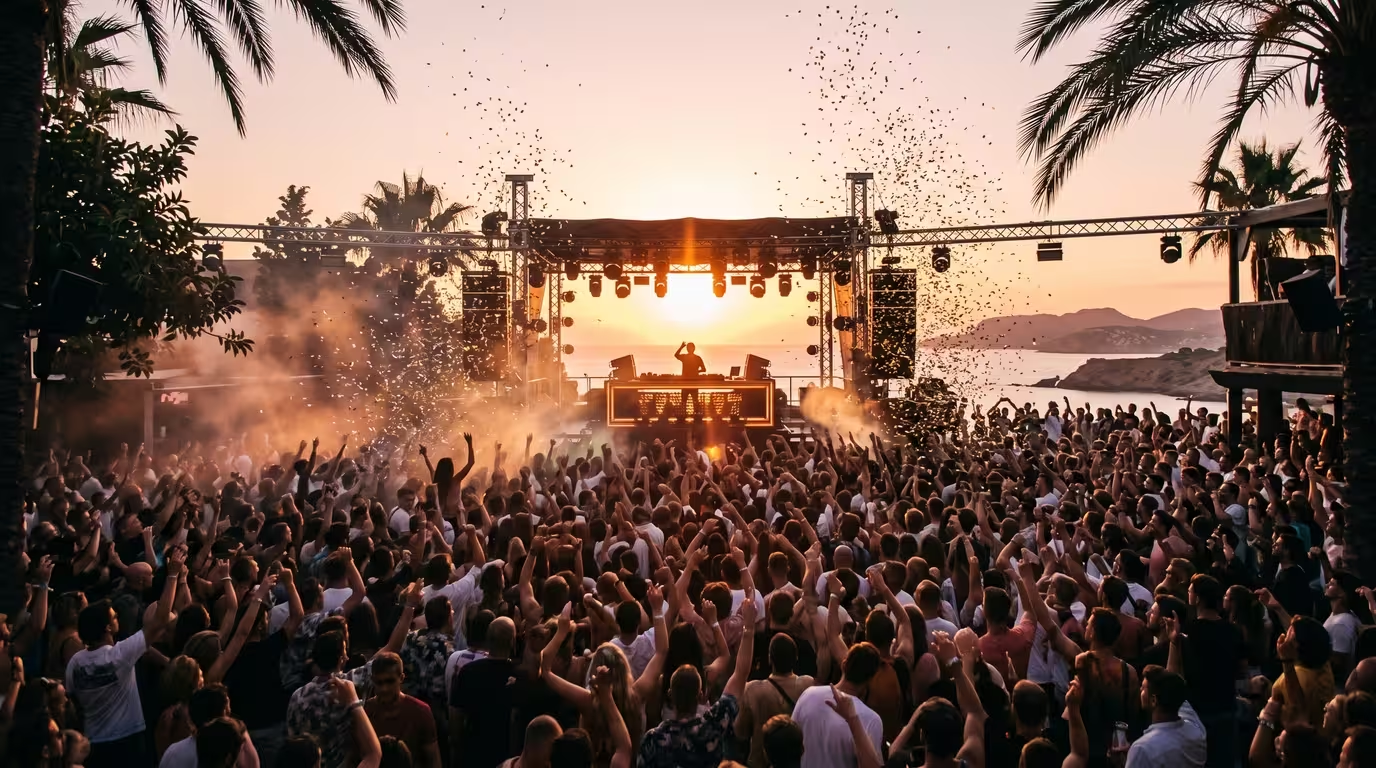
If one place cemented the legend, it was Space in Ibiza. Cox began a yearly residency at the Playa d'en Bossa club in 2001, moving from the terrace to a Tuesday night christened Music Is Revolution. It grew from a handful of dates into one of the defining institutions of Ibiza clubbing, a weekly pilgrimage for house and techno fans from every corner of the planet, running for a remarkable 15 consecutive years.
When Space announced it was closing, Cox gave the residency the send-off it deserved. The 2016 farewell season, The Final Chapter, culminated in an emotional last residency night on 20 September, billed as a ten-hour marathon and his first time playing vinyl at Space in a decade; DJ Mag reported the aired set ran close to nine hours as the room wept and roared. He returned once more for the club's final closing party that October. Nearly a decade later, in the summer of 2025, Cox came back to the island for his first full residency since Space, taking over Sunday nights at the new superclub UNVRS, proof that the Ibiza story was not finished after all.
The Ambassador Who Made Techno Feel Welcome
Part of what makes Cox beloved is reach. His radio show Global ran from 2001 until February 2017 across more than 700 episodes, syndicated to stations around the world, carrying his taste far beyond any dancefloor. He toured relentlessly and played everything, from bruising techno to house, disco edits and breakbeats, always with the same evangelical warmth. More than almost anyone, he made techno feel like an invitation rather than a test, which is why the people's DJ became less a nickname than a job description.
Carl Cox on His All-Live Electronic Show
Beyond the Decks: Engines, Australia and a Live Reinvention
Away from music, Cox is a genuine petrolhead. He has owned around a hundred cars over the years and a large collection of motorcycles, and in the 2010s he founded Carl Cox Motorsport with the New Zealander Gavin Sokolich, fielding sidecar teams, including an entry at the Isle of Man TT, and drag machines like a Ford Mustang Pro Mod. He also relocated much of his life to Australia, keeping a home in Frankston, near Melbourne, alongside his UK base.
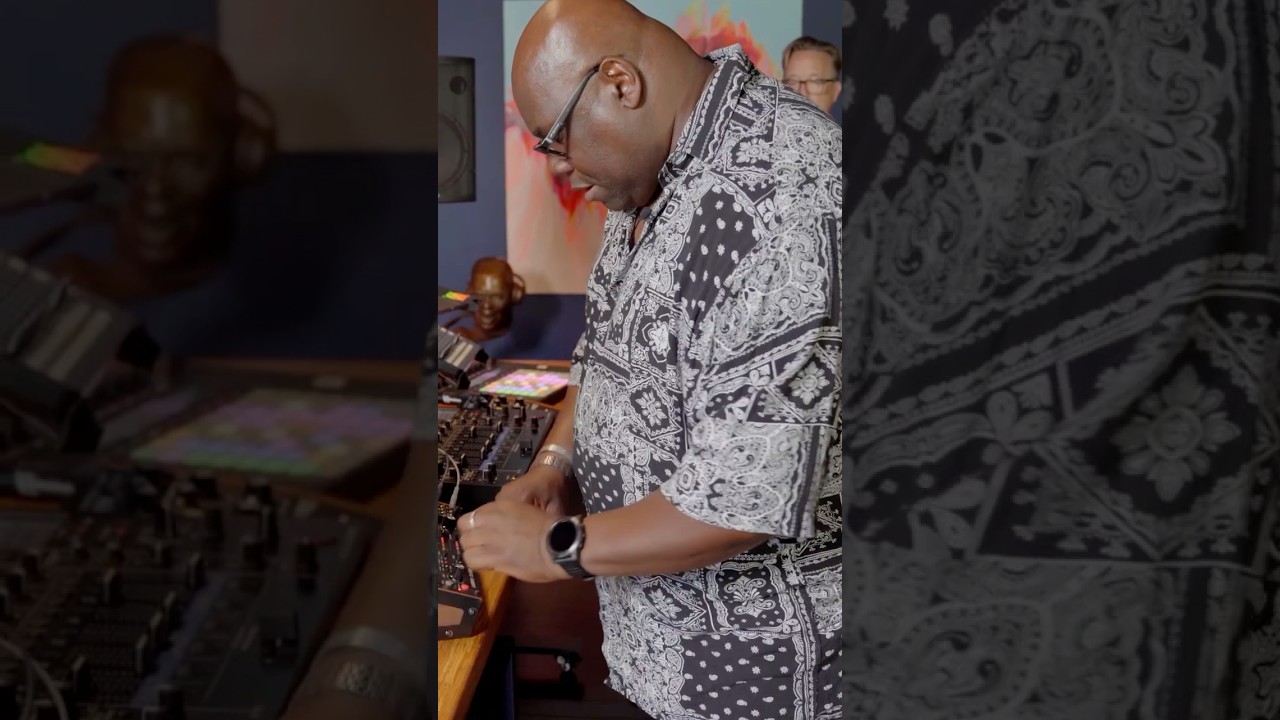
Rather than coast, he reinvented. During lockdown in his Melbourne studio he built a hybrid-live show and, in 2022, released Electronic Generations on BMG, his first album in a decade, playing it as a live electronic set that culminated in a headline show at London's Wembley Arena. It dovetailed with Awesome Soundwave, the label he co-founded in 2018 with Christopher Coe, dedicated entirely to artists who perform their electronic music live. In June 2026 he was awarded an OBE for services to music in the King's Birthday Honours List, telling Mixmag that receiving the honour for doing something that had brought him so much joy was truly humbling, before signing off with his usual oh yes, oh yes.
Why Everybody Loves Carl Cox
The through-line across four decades, from acid house and rave to the superclub, the festival and the streaming era, is a man who never lost the connection to the floor. He has the technical pedigree of a pioneer and the temperament of a fan, and he spends his capital lifting others up, whether through Intec, Awesome Soundwave or a curated stage. His is a career that doubles as a quiet case study in longevity: stay curious, evolve the format, and keep saying yes to the music.
Key takeaways
• Carl Cox, born in 1962 in Oldham to Barbadian parents, went from south London mobile discos to global stardom.
• His three-turntable technique at the 1988 Sunrise rave earned him the Three-Deck Wizard name.
• He topped DJ Mag's Top 100 in 1996 and 1997 and defined the 1990s superclub era.
• His Music Is Revolution residency at Space Ibiza ran 15 years, from 2001 to 2016.
• Still evolving, he turned to live performance with 2022's Electronic Generations, returned to Ibiza in 2025 and received an OBE in 2026.
